Seattle Property Management in 2026: What Owners Need to Know
Niko Raptis
Seattle’s Rental Market Is Showing Stronger Fundamentals
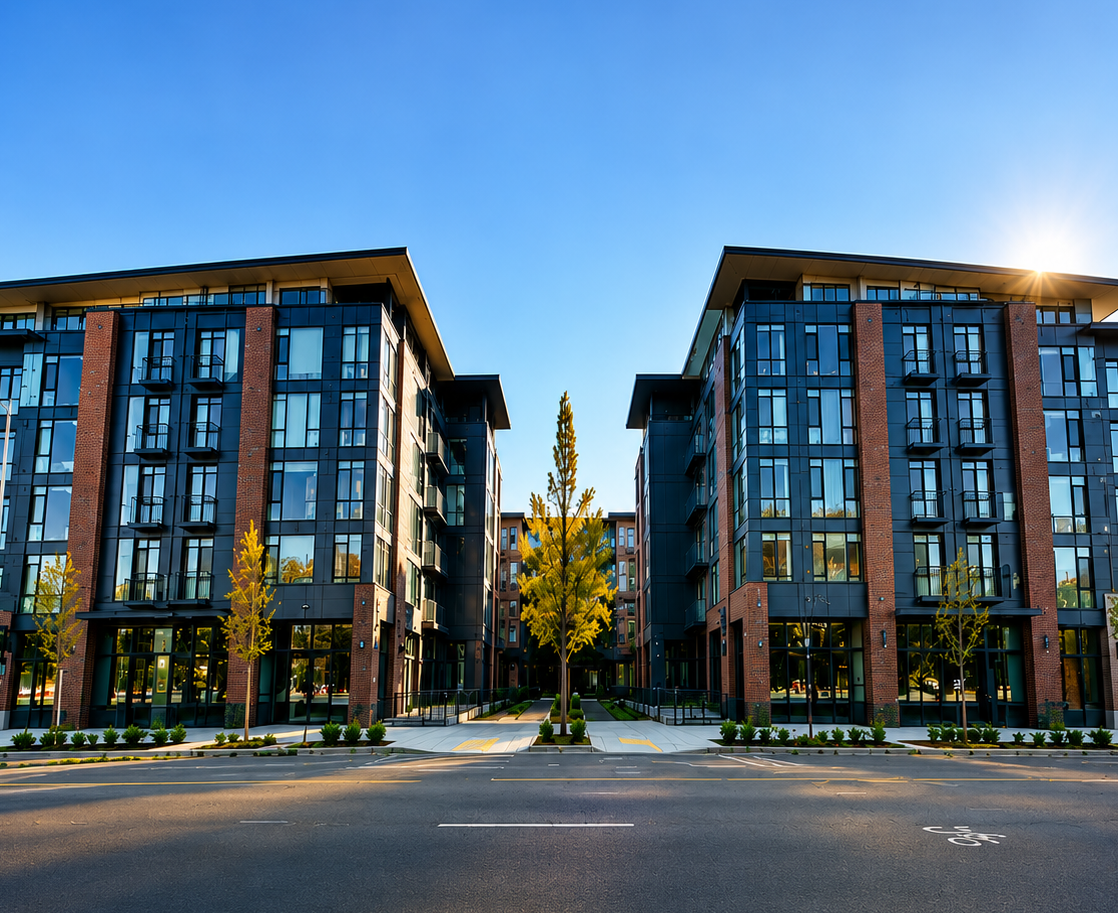
Seattle’s rental market continues to evolve in 2026. Improving occupancy, steady renter demand, and modest rent growth are creating opportunities for property owners, while changing regulations and increasing operational demands are making active property management more important than ever.
For owners of multifamily and residential rental properties, today’s market isn’t simply about filling vacancies. Protecting long-term asset value requires an understanding of market conditions, thoughtful leasing strategies, efficient operations, and close attention to Seattle’s increasingly complex regulatory environment.
According to Kidder Mathews’ Q2 2026 Seattle Multifamily Market Report, vacancy declined to 6.7%, compared with 7.0% one year earlier. Average asking rents reached approximately $2,048 per month, representing modest year-over-year growth.
Demand has also remained strong. Net absorption reached 6,085 units year-to-date, exceeding new construction deliveries by more than 2,200 units during the same period.
For property owners, these are positive indicators—but stronger market fundamentals don’t necessarily mean every property will perform equally well.
SEATTLE MULTIFAMILY | Q2 2026
6.7% — Vacancy Rate
$2,048 — Average Asking Rent
6,085 Units — YTD Net Absorption
Source: Kidder Mathews Research Group / CoStar, Q2 2026
Leasing Strategy Still Matters
A stronger rental market can reduce vacancy pressure, but successful leasing still depends heavily on how a property is positioned.
Pricing a unit above what the market supports can extend vacancy. Pricing too conservatively can leave revenue on the table. Effective management requires evaluating comparable properties, current availability, unit condition, location, concessions, and renter demand before establishing pricing.
Presentation matters as well. Professional photography, accurate listings, responsive communication, efficient showings, and a smooth application process can all influence how quickly a property leases.
The goal shouldn’t simply be achieving the highest advertised rent. It should be finding the right balance between rental rate, occupancy, tenant quality, and long-term property performance.
Property Performance Goes Beyond Collecting Rent
Effective property management goes well beyond leasing and rent collection. For owners, the larger objective is protecting the performance and value of the asset.
That includes monitoring operating expenses, coordinating preventative maintenance, managing vendors, responding to tenant concerns, evaluating capital improvements, and identifying problems before they become expensive.
This becomes especially important with multifamily properties, where relatively small operational inefficiencies can multiply across numerous units.
The strongest management strategy looks beyond this month’s rent roll and considers how today’s decisions may affect the property over the next several years.
Seattle’s Regulatory Environment Requires Close Attention
Regulatory compliance has become an increasingly important responsibility for Seattle rental-property owners.
Washington law limits annual rent increases for covered residential properties to 7% plus the Consumer Price Index, or 10%, whichever is lower, subject to applicable exemptions. For 2026, the Washington State Department of Commerce has established the maximum annual increase at 9.683%.
Seattle has additional requirements. Property owners generally must provide tenants with at least 180 days’ written notice before increasing periodic or monthly housing costs. Seattle also maintains requirements governing areas such as rental agreements, deposits, move-in charges, and other aspects of the rental relationship.
Owners should also be preparing for another significant change. New Seattle legislation will restrict many rental fees—including certain pet, administrative, common-area, technology, and other charges—and establish greater transparency around rental costs. Those provisions are scheduled to take effect July 1, 2027.
For owners managing multiple units—or simply managing a rental property alongside another career or business—staying current with these requirements has become an increasingly important part of property ownership.
What This Means for Seattle Property Owners
Today’s market presents a combination of opportunity and complexity.
Improving multifamily fundamentals and continued renter demand are encouraging. At the same time, successful property ownership increasingly depends on disciplined operations, informed pricing, effective leasing, regulatory awareness, and long-term planning.
For owners, the question is no longer simply:
“Is my property rented?”
A better question may be:
“Is my property performing as well as it should?”
At Rob Gasca Real Estate Group, we work with property owners and investors throughout Seattle and the Puget Sound with a focus on property operations, tenant relationships, leasing performance, and long-term asset value.
Whether you own a single investment property or a multifamily portfolio, understanding where your property stands in today’s market is an important first step toward making informed decisions.
Explore our property management services or contact our team to discuss your property and management goals.
This article is provided for general informational purposes and is not intended as legal advice. Property owners should consult appropriate legal counsel regarding specific compliance requirements.